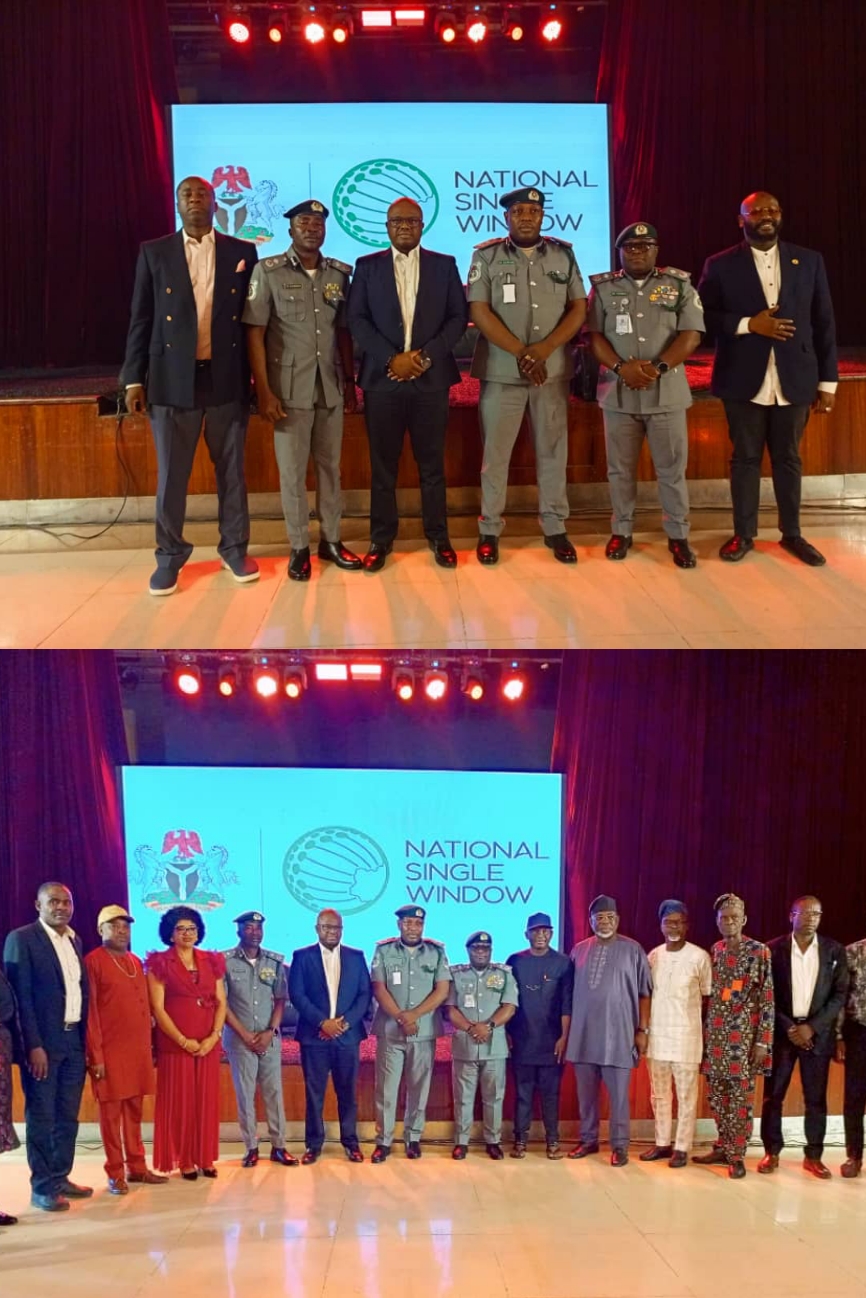

The Director of the Nigeria National Single Window (NSW) Project, Tola Fakolade, has clarified that the platform will not replace any government agency involved in trade facilitation. Instead, it will integrate their processes to eliminate duplication and improve efficiency.
Fakolade explained that once a release is issued by the Nigeria Customs Service, it will already reflect the risk assessment and compliance requirements of other port-related regulatory agencies. He noted that key trade agencies were engaged from the early stages of the project, each nominating technical representatives who contributed to the platform’s development.
According to him, the system has already identified and eliminated several duplicated processes that previously slowed cargo clearance without adding value to port operations. He added that extensive training has been ongoing for over a month for end-users, including importers, exporters, freight forwarders, and officials of the Nigerian Ports Authority. Training sessions are being conducted physically at designated centres accommodating 30–50 participants, while additional learning resources and explanatory videos are available online.
Fakolade further clarified that the NSW will operate alongside the B’Odogwu Customs Management System, describing the two platforms as complementary. “The B’Odogwu system handles core Customs processes such as valuation and risk management, while the National Single Window serves as the single-entry portal for traders to submit documents and applications for approvals,” he said.
When the platform goes live on March 27, 2026, initial services will include applications for import licences, certificates, and permits for agencies such as the Standards Organisation of Nigeria, National Agency for Food and Drug Administration and Control, Nigeria Agricultural Quarantine Service, and National Environmental Standards and Regulations Enforcement Agency, as well as manifest submissions by shipping lines and airlines.
Princess Chi Ezeh, Vice President (Seaports) of the National Association of Government Approved Freight Forwarders (NAGAFF), commended the NSW committee for recognising freight forwarders as critical stakeholders in the reform initiative. She noted that their inclusion during awareness and consultation stages demonstrates the implementation team’s understanding of the strategic role operators play in Nigeria’s port and logistics ecosystem. Ezeh expressed optimism ahead of the launch, urging the team to ensure the system enhances trade facilitation rather than creating additional delays.
Similarly, Alhaji Akeem Ayobiojo, Chairman of APFFLON Tincan Chapter, assured that freight forwarders would support the initiative by submitting accurate documentation and complying with required procedures. He stressed that transparency and professionalism from operators are essential to achieving the project’s goal of reducing costs, saving time, and improving efficiency in Nigeria’s port operations.