
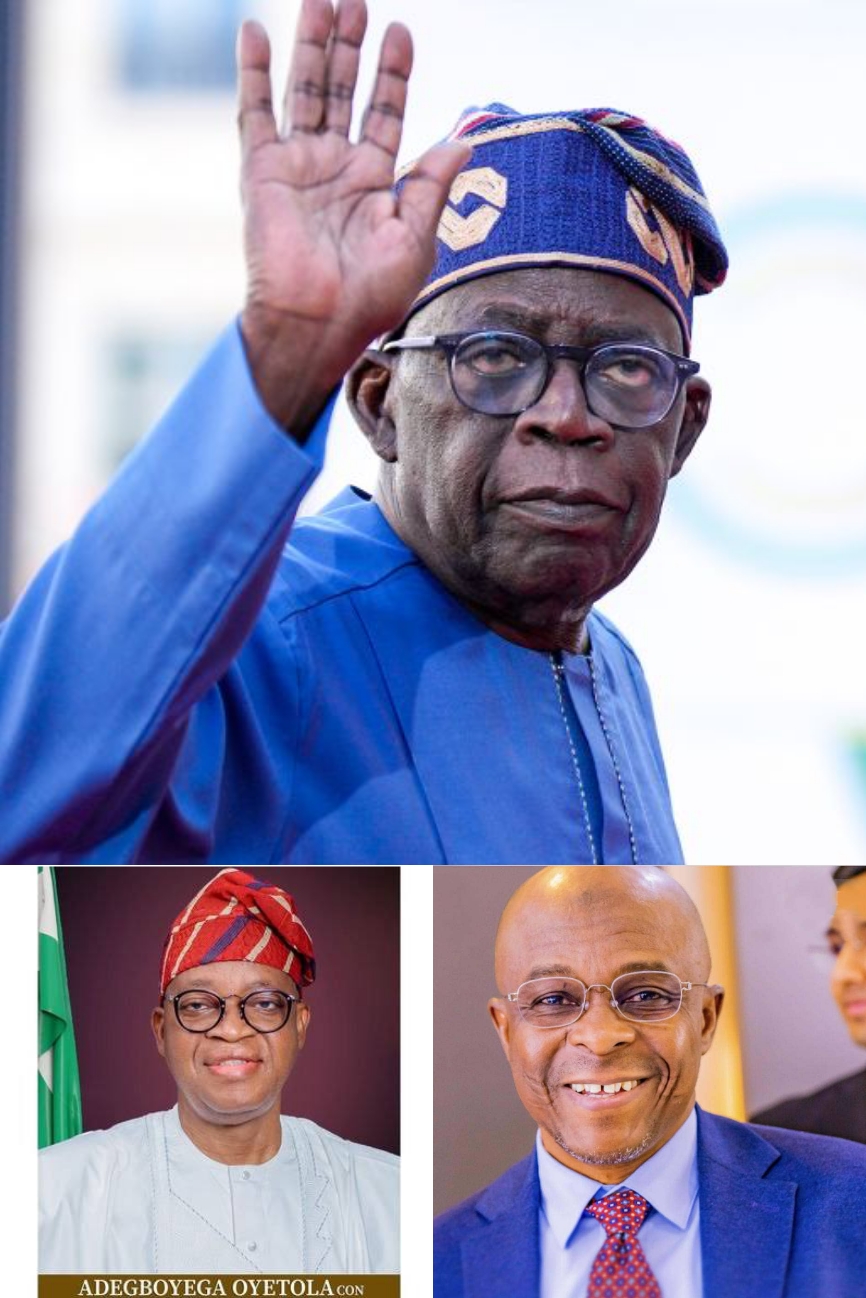

Nigeria’s maritime sector—through which over 80% of the nation’s international trade flows—is undergoing a sweeping transformation under the leadership of Dr. Abubakar Dantsoho, Managing Director of the Nigerian Ports Authority (NPA). Anchored on port modernisation, digital trade facilitation, and institutional reform, this new policy direction is designed to reposition Nigeria’s seaports as competitive hubs within the global shipping ecosystem.
The NPA’s 2025 Operational Performance Report revealed a landmark surge in activity:
– Cargo throughput rose by 24.8%, from 103.6 million metric tons in 2024 to 129.3 million in 2025.
– Ship calls exceeded 4,000 vessels, reflecting renewed confidence in Nigerian ports.
– Container traffic climbed to 1.74 million TEUs, underscoring stronger export activity and integration into global supply chains.
Dr. Dantsoho described the growth as one of the most significant in Nigeria’s maritime history, crediting the federal government’s reform programme for reversing decades of infrastructural decay and operational inefficiency.
At the heart of the Tinubu administration’s maritime reform agenda are two interconnected initiatives:
– Port Modernisation: Large-scale reconstruction of Apapa, Tin Can Island, Port Harcourt, Warri, and Calabar ports. Upgrades include quay walls, deeper channels, modern cargo-handling equipment, and expanded terminal capacity to accommodate larger vessels.
– National Single Window (NSW): A digital platform streamlining trade documentation and eliminating bureaucratic delays. The NPA has fully aligned its Revenue Invoice Management System (RIMS 2.0) with NSW architecture, completing user acceptance testing and integration protocols with partners such as KPMG and CrimsonLogic.
Together, these initiatives represent one of the most ambitious attempts to unlock Nigeria’s maritime potential and position the sector as a critical engine of national growth.
For years, inefficiencies cost Nigeria over N1 trillion annually, while neighbouring ports in Ghana, Togo, and Benin—equipped with modern facilities—captured cargo originally destined for Nigeria. The reforms now underway aim to reverse this paradox, ensuring Africa’s largest economy operates ports that match its economic stature.
Already, the reforms are yielding measurable results:
– Cargo throughput has surged by over 45% in recent years.
– Vessel turnaround times are improving.
– Export shipments are expanding, strengthening Nigeria’s role in regional trade. reduce logistics costs, enhance supply chain reliability, and directly boost competitiveness. With modernisation and digitalisation converging, Nigeria’s maritime sector is poised to become a cornerstone of economic diversification and a catalyst for sustained growth.
Infrastructure Modernisation
Nigeria’s major ports, built decades ago, struggle to meet modern shipping demands. Ageing quay walls, shallow drafts, and obsolete equipment have led to congestion and long vessel waiting times. Modernisation programmes—channel deepening, infrastructure upgrades, and advanced cargo-handling equipment—will:
– Reduce vessel turnaround and cargo dwell times
– Lower logistics costs by cutting demurrage and storage fees
– Stem cargo diversion to neighbouring countries (Benin, Togo, Ghana)
– Enhance attractiveness to global shipping lines and investors
Digital Transformation: National Single Window (NSW)
Infrastructure alone cannot deliver competitiveness without digital reforms. The National Single Window (NSW), launching March 27, is designed to:
– Provide a single electronic portal for all import/export documentation
– Eliminate duplication, delays, and bureaucratic bottlenecks
– Improve transparency, reduce corruption, and minimise revenue leakages
– Enable real-time information sharing among customs, port authorities, and logistics stakeholders
Economic Impact
The combined effect of modernisation and NSW will:
– Boost customs revenue by 10–20% annually (₦600bn–₦1.2tn)
– Cut cargo dwell time by 35–45%
– Lower trade transaction costs by up to 25%
– Strengthen Nigeria’s logistics performance and ease of doing business
Strategic Benefits
– Trade facilitation: Faster clearance and reduced costs
– Revenue growth: Higher customs duties and port charges
– Global competitiveness: Attract foreign direct investment in shipping, logistics, and manufacturing
– Regional leadership: Position Nigeria as a leading maritime hub in West and Central Africa
Operational Leadership at the NPA
Under the stewardship of Abubakar Dantsoho, the Nigerian Ports Authority (NPA) has accelerated reforms aimed at modernising infrastructure, strengthening digital systems, and boosting operational efficiency across the nation’s ports. Key initiatives include:
– Port Community System for seamless stakeholder coordination
– Vessel Traffic Management System to enhance safety and efficiency
– Digital cargo tracking platforms to improve transparency and logistics
These tools form the backbone of Nigeria’s National Single Window, enabling real-time trade facilitation. The financial results are striking:
– ₦894.86 billion revenue in 2024
– Projected ₦1.28 trillion in 2025, driven by cargo growth and automation
– ₦400.8 billion remitted to the CRF in 2024, nearly double the previous year
This underscores the growing economic weight of Nigeria’s maritime sector when guided by effective institutional leadership.
Policy Coordination by the Ministry of Marine and Blue Economy
While the NPA drives execution, strategic policy direction comes from Adegboyega Oyetola, Minister of Marine and Blue Economy. The creation of the ministry itself signals Nigeria’s recognition of the maritime domain as a pillar of national development.
Oyetola’s framework focuses on:
– Strengthening maritime governance and regulatory coordination
– Attracting investment into port infrastructure and services
– Aligning policy reforms with digital transformation
With over 850 km of coastline and vast maritime resources, Nigeria’s blue economy — spanning shipping, fisheries, offshore energy, and coastal tourism — represents immense untapped potential.
Expanding Maritime Trade
Nigeria’s geographic position along major global shipping routes offers a natural advantage. Historically, inefficiencies limited its competitiveness, but reforms are changing that.
– Lekki Deep Sea Port is already boosting container traffic and trans-shipment volumes.
– Modern ports combined with inland logistics networks could make Nigeria a regional redistribution hub for West and Central Africa.
Economic Multipliers
Efficient ports ripple across the wider economy:
– Faster cargo clearance reduces industrial delays
– Improved export logistics enhance competitiveness of Nigerian goods
– Digital systems reduce leakages, strengthening government finances
– Infrastructure investments generate jobs in engineering, ICT, logistics, and operations
Analysts estimate a digital maritime ecosystem could create 100,000+ jobs, reinforcing the sector’s role in economic diversification.
Charting Nigeria’s Maritime Future
The reforms underway represent one of the most significant structural transformations of Nigeria’s trade infrastructure in decades. By combining port modernisation with digital trade facilitation, the administration of President Bola Ahmed Tinubu is laying the foundation for a globally competitive port system.
With policy coordination from Oyetola and operational leadership from Dantsoho, Nigeria’s maritime sector is being repositioned as a driver of national growth. If sustained, these reforms could transform Nigeria into a logistics gateway for Africa, supporting industrial expansion, regional integration, and long-term prosperity.