
The Federal Government has been urged to introduce a special salary structure for employees of government-owned media organizations in Nigeria, in recognition of prevailing economic realities and in line with global best practices.
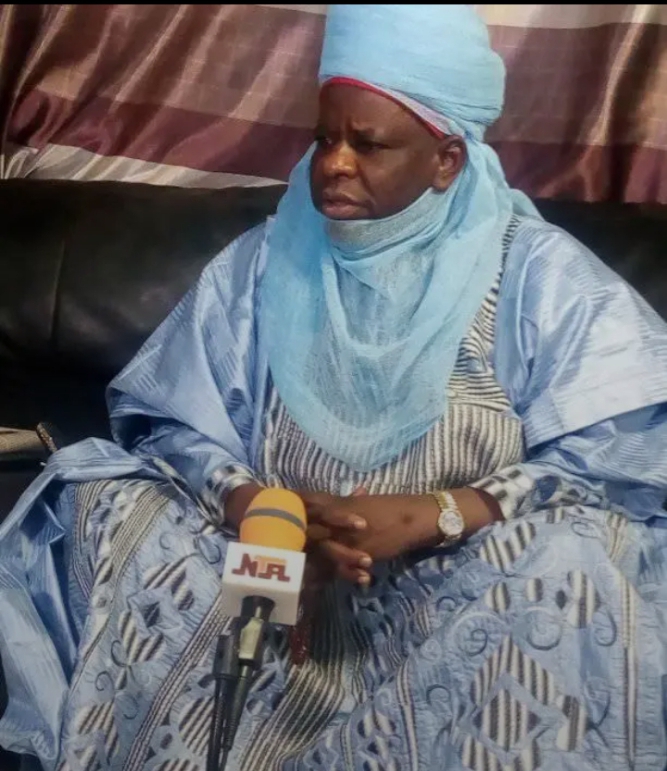
The call was made by the Patron of the Nigeria Union of Journalists (NUJ), Katsina State Council, and District Head of Ketare, Kanwan Katsina, Alhaji Usman Bello Kankara mni, during a media parley in Katsina to commemorate the 75th anniversary of Radio Nigeria.
Alhaji Kankara, a former newsroom staff of the Federal Radio Corporation of Nigeria (FRCN) Kaduna Station, emphasized that journalists provide essential services—educating, informing, and entertaining the public—while promoting national unity, peace, and security. He noted that media professionals often work under demanding conditions, including night shifts, weekends, public holidays, and festive periods, frequently away from their families.
According to him, a special welfare package is necessary to adequately compensate the sacrifices, dedication, and professionalism of media workers, while motivating them towards greater productivity.
Beyond welfare, the NUJ Patron advised the Federal Government to install solar power systems across all FRCN zonal and FM stations to enhance operational stability, fully digitize Radio Nigeria’s operations to sustain its leadership as one of Africa’s foremost broadcasters.
The push for a special salary structure has long been championed by stakeholders including the NUJ, the Radio, Television, Theatre and Arts Workers Union (RATTAWU), the Nigeria Labour Congress (NLC), and various civil society organizations.
While commending Radio Nigeria for 75 years of broadcasting excellence, journalists at the event expressed appreciation to Alhaji Kankara for his continued concern for their welfare. They also congratulated the corporation for maintaining high standards in broadcasting and serving as a pillar of national communication and cohesion.